-
.png) We Need Both! Online and In-person options for Tertiary EducationOnline options were ‘too hard’ before 2020, and then they came within a week, and then they were taken away as quickly as they were given. Many members of our community depend on these options being available such as those who are immuno-compromised and cannot risk exposure to disease, especially when universities do not have open windows, air purifiers or a mask or vaccine mandate in the classroom. Universal Design (‘UD’) — specifically, Universal Design for Learning (‘UDL’) — is a research-backed pedagogy and curriculum framework which enables equitable access to education for all students, including students with disabilities and other students from diverse, minoritised backgrounds. For disabled students, implementing UDL would ostensibly ensure that they can ‘engage with the curriculum without having to seek adjustments’ (see ‘Recommendations for equitable student support during disruptions to the higher education sector: Lessons from COVID-19,’ Mercer-Mapstone et al 2022,). Hybrid, flexible education — also known as ‘hyflex’ education, as noted in Recommendation 2.1 of the ALSA-AMSA-NUS research report — entails offering educational delivery options for both in-person attendance and Work From Home (‘WFH’). Moreover, hyflex education can facilitate educational participation for not only disabled people but also women escaping domestic family violence (‘DFV’) or sexual assault, First Nations students in regional & rural Australia, international students, and other demographics for whom in-person attendance may not be the most safe & accessible. People from diverse backgrounds have value. Contrary to what many believe, disabled people can (and do) contribute to society and to building a better world. Imagine all the setbacks if Dr Steven Hawking couldn’t come to class because he couldn’t get his wheelchair in the door! Additionally, the tertiary education regulator, Tertiary Education Quality and Standards Agency (‘TEQSA’), has announced that they will now enforce the Education Services for Overseas Students Act 2000 (Cth) (‘ESOS’). Under ESOS in s 8.19, TEQSA is mandating that no more than a third of the education delivered to overseas students can be online or by distance. This decision from TEQSA means that if international students want to access regional, globally ranked education, they must return to Australia whilst there are COVID-19 outbreaks overseas, a rental shortage of affordable, student housing and a cost-of-living crisis. This forces numerous international students into a tricky conflict between their future and their present happiness. TEQSA doesn’t take individual complaints so the regulator cannot protect international students. That is why the government must step up. Likewise, online learning can be better for university staff. University staff with disabilities also face many of the struggles that disabled students do. Likewise, staff with caring roles for children or other dependents benefit from increased access to them by providing education online. Some universities do not have child-care options after 5pm, meaning that staff cannot afford to work a 9-5 with children because they have to rush to collect them. The higher education system relies on these staff and their incredible work to upskill the next generation.252 of 300 SignaturesCreated by NUS Disabilities
We Need Both! Online and In-person options for Tertiary EducationOnline options were ‘too hard’ before 2020, and then they came within a week, and then they were taken away as quickly as they were given. Many members of our community depend on these options being available such as those who are immuno-compromised and cannot risk exposure to disease, especially when universities do not have open windows, air purifiers or a mask or vaccine mandate in the classroom. Universal Design (‘UD’) — specifically, Universal Design for Learning (‘UDL’) — is a research-backed pedagogy and curriculum framework which enables equitable access to education for all students, including students with disabilities and other students from diverse, minoritised backgrounds. For disabled students, implementing UDL would ostensibly ensure that they can ‘engage with the curriculum without having to seek adjustments’ (see ‘Recommendations for equitable student support during disruptions to the higher education sector: Lessons from COVID-19,’ Mercer-Mapstone et al 2022,). Hybrid, flexible education — also known as ‘hyflex’ education, as noted in Recommendation 2.1 of the ALSA-AMSA-NUS research report — entails offering educational delivery options for both in-person attendance and Work From Home (‘WFH’). Moreover, hyflex education can facilitate educational participation for not only disabled people but also women escaping domestic family violence (‘DFV’) or sexual assault, First Nations students in regional & rural Australia, international students, and other demographics for whom in-person attendance may not be the most safe & accessible. People from diverse backgrounds have value. Contrary to what many believe, disabled people can (and do) contribute to society and to building a better world. Imagine all the setbacks if Dr Steven Hawking couldn’t come to class because he couldn’t get his wheelchair in the door! Additionally, the tertiary education regulator, Tertiary Education Quality and Standards Agency (‘TEQSA’), has announced that they will now enforce the Education Services for Overseas Students Act 2000 (Cth) (‘ESOS’). Under ESOS in s 8.19, TEQSA is mandating that no more than a third of the education delivered to overseas students can be online or by distance. This decision from TEQSA means that if international students want to access regional, globally ranked education, they must return to Australia whilst there are COVID-19 outbreaks overseas, a rental shortage of affordable, student housing and a cost-of-living crisis. This forces numerous international students into a tricky conflict between their future and their present happiness. TEQSA doesn’t take individual complaints so the regulator cannot protect international students. That is why the government must step up. Likewise, online learning can be better for university staff. University staff with disabilities also face many of the struggles that disabled students do. Likewise, staff with caring roles for children or other dependents benefit from increased access to them by providing education online. Some universities do not have child-care options after 5pm, meaning that staff cannot afford to work a 9-5 with children because they have to rush to collect them. The higher education system relies on these staff and their incredible work to upskill the next generation.252 of 300 SignaturesCreated by NUS Disabilities
-
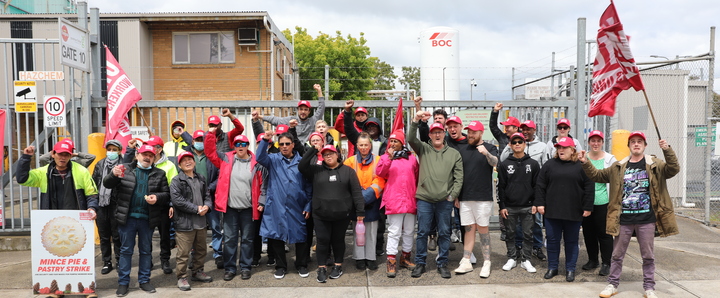 Pampas/Goodman Fielder: We want job security and fair wages for your workers now!Workers at Pampas have been languishing on labour-hire contracts, working full time, for 10, 15 and up to 20 years whilst being overlooked for permanent positions. Migrant workers like those at Pampas are the backbone of our food manufacturing industry. Workers across Australia are doing it tough, they need fair wages and secure jobs to survive. Pampas needs to come to the table and offer these workers a fair deal now.2,010 of 3,000 SignaturesCreated by United Workers Union
 -
 Zero Tolerance for Zero Action: Affirmative ConsentAfter the passing of the Justice Legislation Amendment (Sexual Offences and other Matters) 2022 Bill on 31/08/2022, affirmative consent is now law in Victoria. This amendment means that everyone has the responsibility to get active consent before engaging in sexual activity. This may include (but is not limited to) saying “yes,” as well as physical gestures like nodding and/or reciprocating removing someone’s clothes. To put it simply, there must be a “clear and enthusiastic go-ahead." The new legislation also firmly guards people from other forms of violence such as stealthing (non-consensual removal of barrier protection such as a condom) and image-based abuse (which can include, but is not limited to: deepfakes, taking, sharing or threatening to share sexual images or videos without consent). This change in law marks a crucial step in creating survivor-centered legislation, which shifts the responsibility away from survivor to perpetrator. The University of Melbourne’s Sexual Misconduct Prevention and Response Policy and their definition of consent lags behind state law. Additionally, the policy does not acknowledge stealthing as a form of violence and does not comprehensively cover the emerging issue of online image-based abuse. There is no room for victim-blaming at the University of Melbourne. Therefore, UMSU calls on the University to immediately change its policy in line with new state legislation. By doing this, it will shift the focus and burden of responsibility from the victim-survivors actions to those of the perpetrator. This change is vital to ensure we are committing to a victim-centred approach that puts justice and safety first. Support Resources: If this letter brings up any concerns for you, please reach out to the following supports: Sexual Assault Crisis Support Line (24/7): 1800 806 292 1800 Respect (24/7): 1800 737 732 UMSU Sexual Harm and Response Coordinators The UMSU Sexual Harm and Response Coordinators provide support with making complaints to the University, reporting to the police, and appropriate referrals to therapeutic services. Contact them via their webpage: https://umsu.unimelb.edu.au/support/survivors/ University of Melbourne, Safer Community Program Provides advice and support to University of Melbourne students who have been affected by sexual violence and harassment: https://safercommunity.unimelb.edu.au/153 of 200 SignaturesCreated by UMSU Inc
-
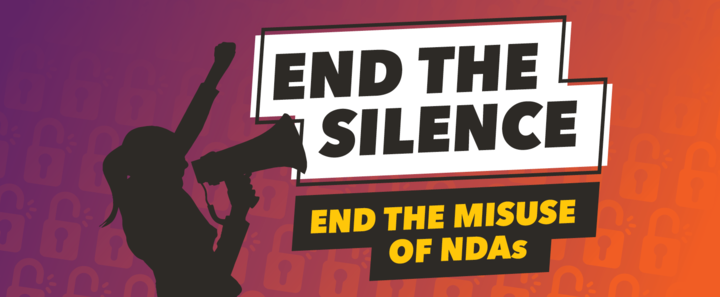 End the silence - end the misuse of NDAs!NDAs protect employers from accountability and release them from their obligations to address systems of work that allow sexual harassment to occur, enabling repeat offenders to continue and preventing workers from talking about their experiences. Victim-survivors, predominantly women, are disempowered by being forced to stay silent. To end sexual harassment at work, we need to end the silence and hold employers accountable. We need legislation to restrict the use of NDAs. They should only be used when requested by victim-survivors to protect their own confidentiality and victim-survivors should be allowed to decide to speak out later.7,433 of 8,000 SignaturesCreated by We Are Union - Women
 -
 Support every worker to escape violenceUnionists have campaigned to win family and domestic violence leave in our workplace - but there are many employees in this country not covered by agreements. In solidarity with every worker who needs to escape a violent relationship, we call on the Albanese Labor Government to provide for 10 days Family and Domestic Violence Leave in the National Employment Standards.28 of 100 SignaturesCreated by Edwina Byrne
 -
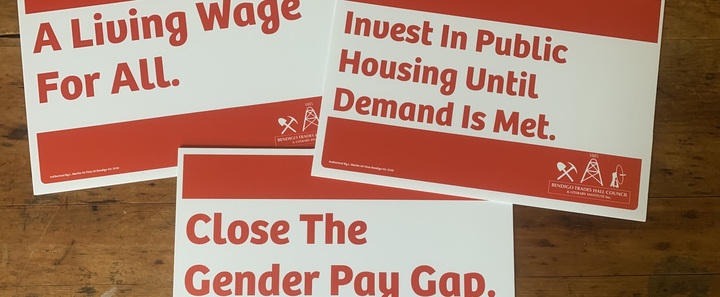 Government's to Ease Living CostsCost of living keeps going up while wages and conditions are continually eroded away, people receiving government support are trying to get by with just $42 a day and living in poverty. The gap between wages for men and women is still around 22.8%. The dream of owning your own home has become out of reach for too many people with rentals also becoming more unaffordable, meaning the demand for public housing is increasing.53 of 100 SignaturesCreated by Luke Martin
-
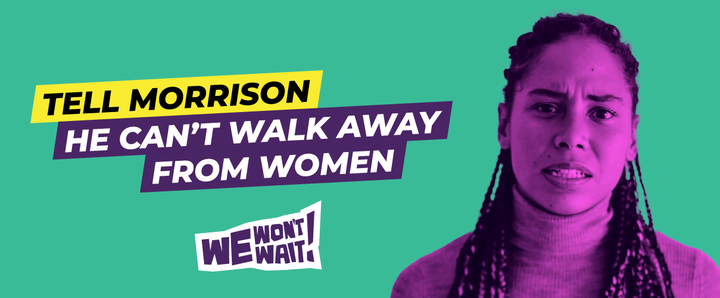 Tell Morrison he can’t walk away from womenAlmost 40% of women report being sexual harassed at their workplace. And only 17% of women feel they are able to report this harassment. The Sex Discrimination Commissioner's Respect@Work recommendations made clear what needed to be done. She recommended that the Sex Discrimination Act be amended to include a positive duty on employers to take reasonable measures to eliminate sexual harassment at work. Tragically, an average of one woman each week is murdered by a current or ex-partner. Access to paid leave is a real barrier to women being able to escape family and domestic violence. There is only one way to make sure all women have this workplace right. Morrison could act today to legislate for 10 days paid family and domestic violence leave for all Australian workers, but once again he has walked away from doing so. Women deserve better. Australia deserves better. Tell Morrison he can’t walk away from women.23,065 of 25,000 SignaturesCreated by Australian Unions
 -
.png) ACTION NOT FRUIT - Reform Respect.Now.AlwaysIn 2021 only 4 people utilised the support services provided by UTS for survivors of sexual assault and harassment. Based on information gathered by the UTS Women’s Collective, the number of students who had undergone sexual violence in 2021 is much higher than this number. This means that students are, not aware of, distrustful of, or unable to access the support services provided by the university. Student survivors petitioned in 2021 for greater supports and for Respect.Now.Always to stop trivialising their experiences through insensitive fruit puns, however these concerns were not met with any response. The university is not fulfilling its duty of care to these students and it must listen to do better.68 of 100 SignaturesCreated by UTS Women's Collective
ACTION NOT FRUIT - Reform Respect.Now.AlwaysIn 2021 only 4 people utilised the support services provided by UTS for survivors of sexual assault and harassment. Based on information gathered by the UTS Women’s Collective, the number of students who had undergone sexual violence in 2021 is much higher than this number. This means that students are, not aware of, distrustful of, or unable to access the support services provided by the university. Student survivors petitioned in 2021 for greater supports and for Respect.Now.Always to stop trivialising their experiences through insensitive fruit puns, however these concerns were not met with any response. The university is not fulfilling its duty of care to these students and it must listen to do better.68 of 100 SignaturesCreated by UTS Women's Collective -
 Labor Must Oppose the 'Religious Discrimination Bill'These proposed laws seek to entrench discrimination and vilification of LGBTQ people, as well as women, people with disabilities, and single parents, on the pretext of religious freedom. The bill will: 1. Override state laws to allow any person making a ‘statement of belief’ to discriminate against queer people, women, and people with disabilities. 2. Allow religious schools to discriminate at the point of enrolment against queer students, and continue to discipline and fire queer teachers - under the guise of 'religious freedom'. 3. Prevent public health services from ensuring patients aren’t discriminated against by health practitioners exercising ‘religious freedom’. 4. Prevent universities from requiring students to meet professional standards if they object to them on religious grounds Federal Labor has made only the mildest of technical recommendations to reform the current draft of the bill, failing to address some of the most damaging aspects of the legislation. As Labor members, we are asked to finance, volunteer for, and otherwise fight with our MPs for our rights as working people. Our party is failing to stand up for our values, and for vulnerable communities, by supporting this bill.1,678 of 2,000 SignaturesCreated by Young Labor Left NSW
-
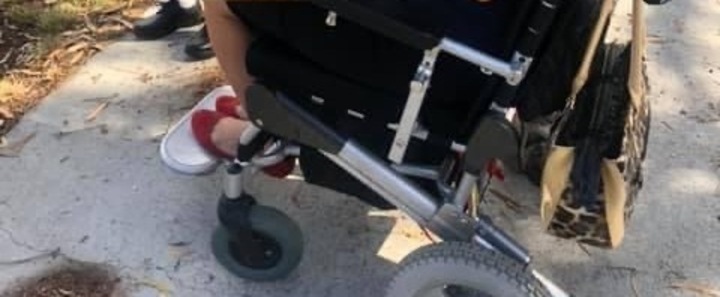 Wheelchair Access in Public SchoolsCurrently in Australia, a Royal Commission is looking into the shocking cases of violence, abuse, neglect and exploitation of people with a disability and Inclusive Education has been recommended during the hearings, utilising the UN Convention on the Rights of Persons with Disabilities, Article 9 and 24 (see reference below). These UN Articles can’t be properly implemented in our public schools unless we provide access to people who use wheelchairs. 15-20% of people in Australia have a disability. It makes sense to include disabled people in our community - we are not going away! If you have an understanding of inclusion and don't believe in segregation in our public schools, please sign this petition and share it so we can make this change for our future generations to learn to accept diversity from the time they start school. Thank you for sticking up for those who might be a little different you! Remember - it could be you next who might need to use a mobility device and need to be included... https://www.un.org/development/desa/disabilities/convention-on-the-rights-of-persons-with-disabilities/convention-on-the-rights-of-persons-with-disabilities-2.html https://disability.royalcommission.gov.au/37 of 100 SignaturesCreated by Andrea Wildin
 -
 More super yacht mooringLuckily, in Scott Morrison we have a true champion of the super-yachting-community. Scott. Sco-Mo. Maaaate. What's a few million bucks of Australians' taxes between friends? Especially since you know we have your back at the next election.26 of 100 SignaturesCreated by Edwina Byrne
 -
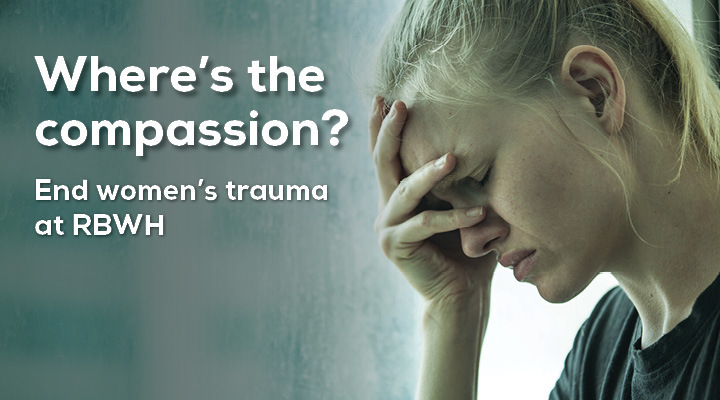 End women’s trauma at the RBWHRight now, women who are suffering miscarriages, pregnancy terminations, hysterectomies, sexual violence and more are being co-located in the same ward as families celebrating the birth of their newborns, and are surrounded by the sound of newborns crying. It’s a traumatising situation for these vulnerable women and the staff caring for them, and has led to serious adverse psychological and emotional effects on families and staff alike. Despite fierce opposition from RBWH midwives, nurses and patients, Metro North HHS management continues to ignore the needs of women. Management initially claimed that this co-location was an emergency “temporary measure” due to COVID-19. Then management suddenly announced the co-location as permanent. Despite the arrangements being entirely inconsistent with obstetric and gynaecological best practice guidelines, no effort has been made to find a suitable location for these patients and staff, despite there being alternatives available. Such callous disregard for the wellbeing of women is unacceptable anywhere, and certainly has no place in Queensland’s preeminent Women’s Hospital. We call on HHS management to find a safe and appropriate location for gynaecology patients that enables health staff to provide women-centred care, and which adheres to The Royal College of Obstetricians and Gynaecologists Standards for Gynaecological Care.1,437 of 2,000 SignaturesCreated by Queensland Nurses and Midwives' Union (QNMU)